
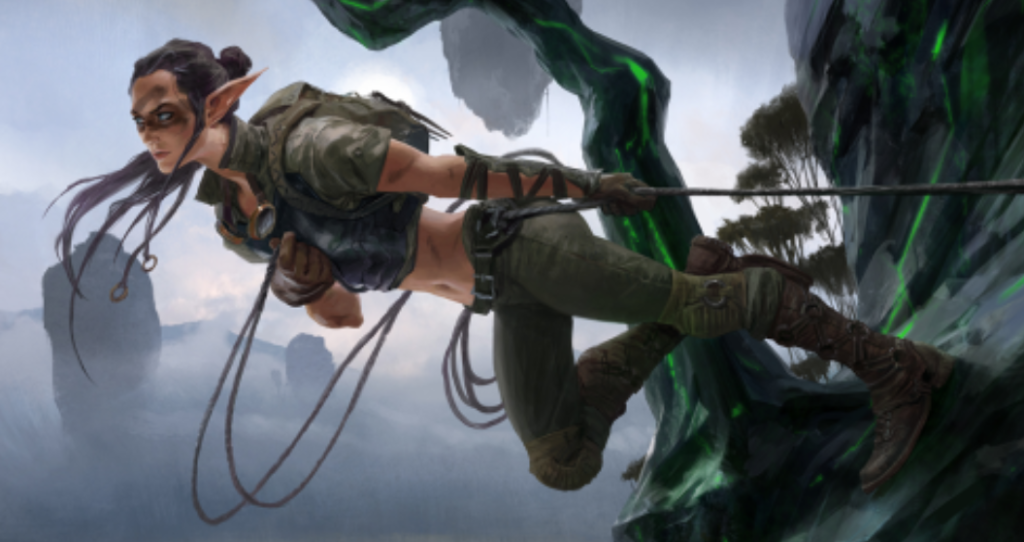
I still remember the first time I posted fanart online. It was messy, over-rendered, and completely fueled by obsession. At the time, I was deep into sci-fi and fantasy universes like Star Trek and later the explosion of tabletop culture around Dungeons & Dragons.
Back then, fanart felt like a rite of passage. If you loved a world, you drew it. If you shipped characters, you painted them dramatically against a cosmic background. It was less about originality and more about belonging.
But something interesting happened over the last decade. Fanart communities did not stay derivative. They evolved. What began as reinterpretation slowly transformed into entirely new worlds, original IPs, and independent creative ecosystems.
This is the story of that shift.
The Early Days of Fandom Driven Creativity
Online creative communities in the early 2000s were heavily fandom based. Platforms like DeviantArt, Tumblr, and later Instagram became gathering spaces for artists who were inspired by existing media.
Fanart served several purposes:
- Practice
- Visibility
- Community bonding
- Skill development
- Emotional connection to stories
And honestly, it worked.
Fanart lowered the barrier to entry. You did not have to invent a universe from scratch. You stepped into one that already had emotional weight. That shared context created instant engagement.
In many cases, artists grew rapidly because fandom gave them built-in audiences. A single piece referencing a beloved series could reach thousands overnight.
But here is the twist. While outsiders often dismissed fanart as unoriginal, inside those communities, artists were learning worldbuilding mechanics, character design theory, narrative pacing, and visual storytelling.
They were training.
The Influence of Collaborative Storytelling
When tabletop RPG culture resurged, especially around shows like Critical Role, something shifted again.
Instead of consuming a static universe, creators began participating in dynamic storytelling.
Tabletop RPGs encourage:
- Character depth
- Improvised narrative arcs
- Moral ambiguity
- World mechanics
- Cultural lore systems
As someone who has spent years watching artists draw original RPG characters, I noticed a pattern. Fanart artists started designing their own campaigns. Their own gods. Their own mythologies.
The community moved from “I love this universe” to “What if I build my own?”
That transition is huge.
It marks the difference between tribute and authorship.
The Rise of Original IP Culture
Around the mid 2010s, social platforms began amplifying original characters and original story threads just as much as fandom content.
Algorithms shifted. Creator economy tools expanded. Patreon and subscription platforms allowed artists to fund personal projects directly.
Suddenly, building an original world was not just creatively fulfilling. It was viable.
Some fascinating trends emerged:
- Artists creating serialized webcomics based on original lore
- Independent fantasy universes funded through community support
- RPG campaign settings turned into published books
- Concept artists launching their own indie games
According to industry reports, the global creator economy surpassed 100 billion dollars in valuation in recent years. That number reflects something deeper than revenue. It signals autonomy.
Fanart used to be the gateway. Now it is often the foundation.
Community as Incubator
One thing that has not changed is the role of community.
Creative communities still act as incubators. The difference now is that they nurture original universes instead of only reinterpreting existing ones.
In my own experience, feedback loops are faster and more supportive than ever. Artists share early character sketches. Writers post worldbuilding notes. Audiences respond in real time.
That kind of interaction accelerates development cycles dramatically.
What fascinates me most is how collective intelligence shapes individual creativity. A small comment from a follower can spark an entire subplot. A fan theory can evolve into canon within an indie universe.
It is collaborative evolution.
The Blurred Line Between Fanart and Original Work
Here is where things get interesting.
Many original worlds today are structurally inspired by fandom culture.
They borrow:
- Emotional intensity
- Shipping dynamics
- Deep character focus
- Long form narrative arcs
- Community engagement rituals
Even when a creator launches a fully original IP, the DNA of fandom is often embedded within it.
In a way, fanart communities taught a generation how to build worlds that feel lived in. How to create lore that invites participation instead of passive consumption.
That mindset changed online storytelling permanently.
Technology as an Amplifier
Digital tools also played a critical role.
Drawing tablets became more accessible. Publishing platforms became frictionless. Social media eliminated traditional gatekeepers.
A single creator can now:
- Conceptualize a world
- Design its visual identity
- Write its narrative arcs
- Publish updates instantly
- Monetize through direct audience support
That level of autonomy was nearly impossible twenty years ago.
The internet did not just host creative communities. It rewired them.
Where Creative Communities Are Heading
If I had to predict the next stage, I would say this:
The line between community and creator will continue to blur.
We are already seeing collaborative storytelling projects where audiences vote on plot direction. We see shared universes built by multiple independent artists.
The future feels less centralized.
Fanart was once considered derivative. Now it looks more like apprenticeship. It trained an entire generation in visual literacy, narrative mechanics, and audience engagement.
From that training ground emerged original worlds that stand on their own.
And honestly, that evolution feels inevitable.
Creativity online is no longer about borrowing universes. It is about building them together.
That shift is not just a trend. It is a structural transformation in how stories are made, shared, and sustained.
And we are still in the middle of it.